
When you compare a French kitchen range to a standard model, the difference goes beyond aesthetics - it delivers performance, design, and culinary versatility. Here’s what sets these premium appliances apart and why so many homeowners are making the switch.
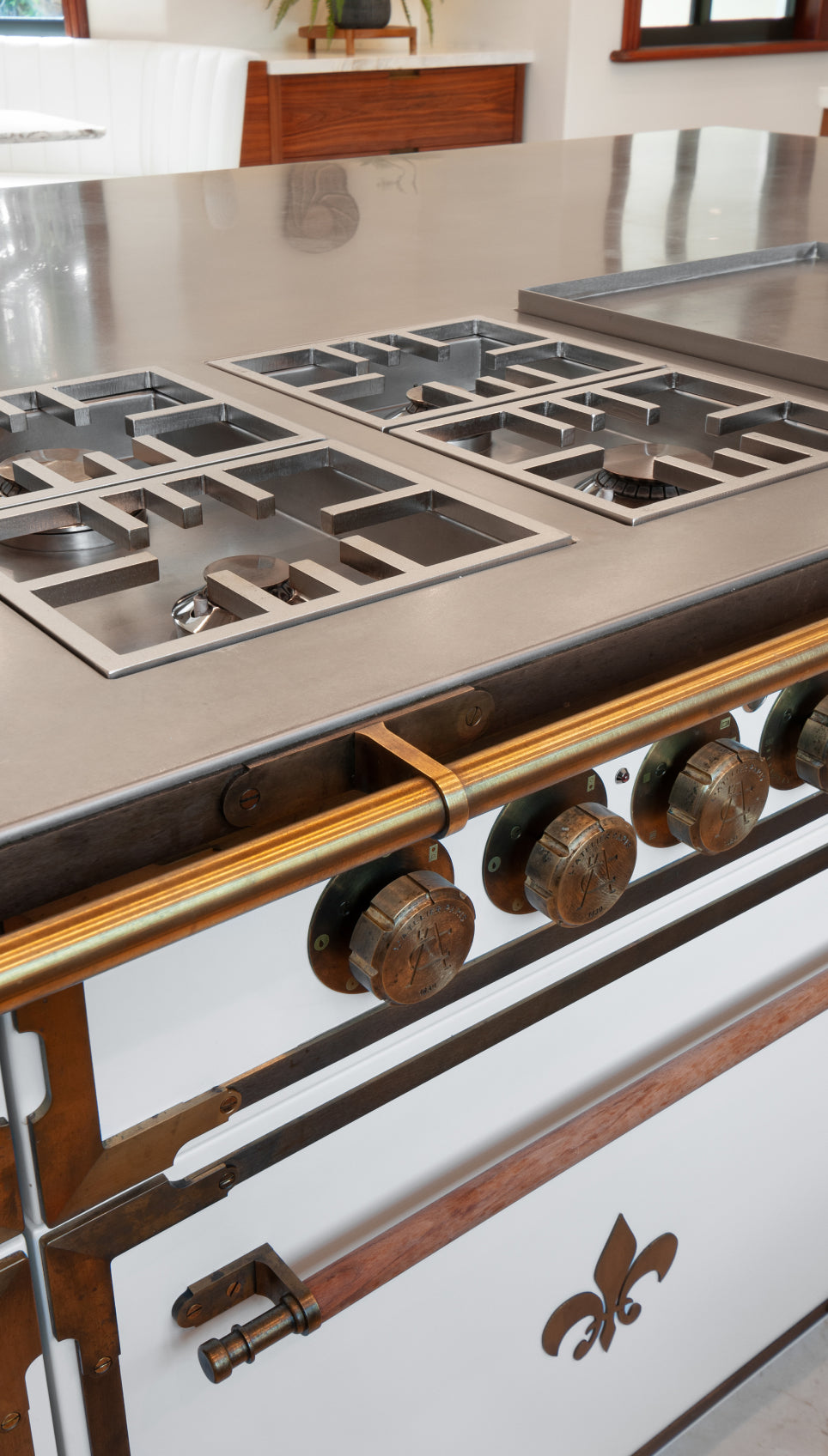
French kitchen ranges stand out for their exceptional detailing and artisanal build quality. Crafted in Europe or high-end U.S. workshops, they often feature:
Use it to:
These premium materials resist wear far longer than mass‑produced components used in standard ranges.
With burner outputs often reaching 20, 000 BTUs or more, French ranges offer precise control for searing, rapid boiling, or delicate simmering. Their ovens maintain even heat distribution, thanks to thick insulation and quality fans, delivering consistent baking results that standard units can’t match.
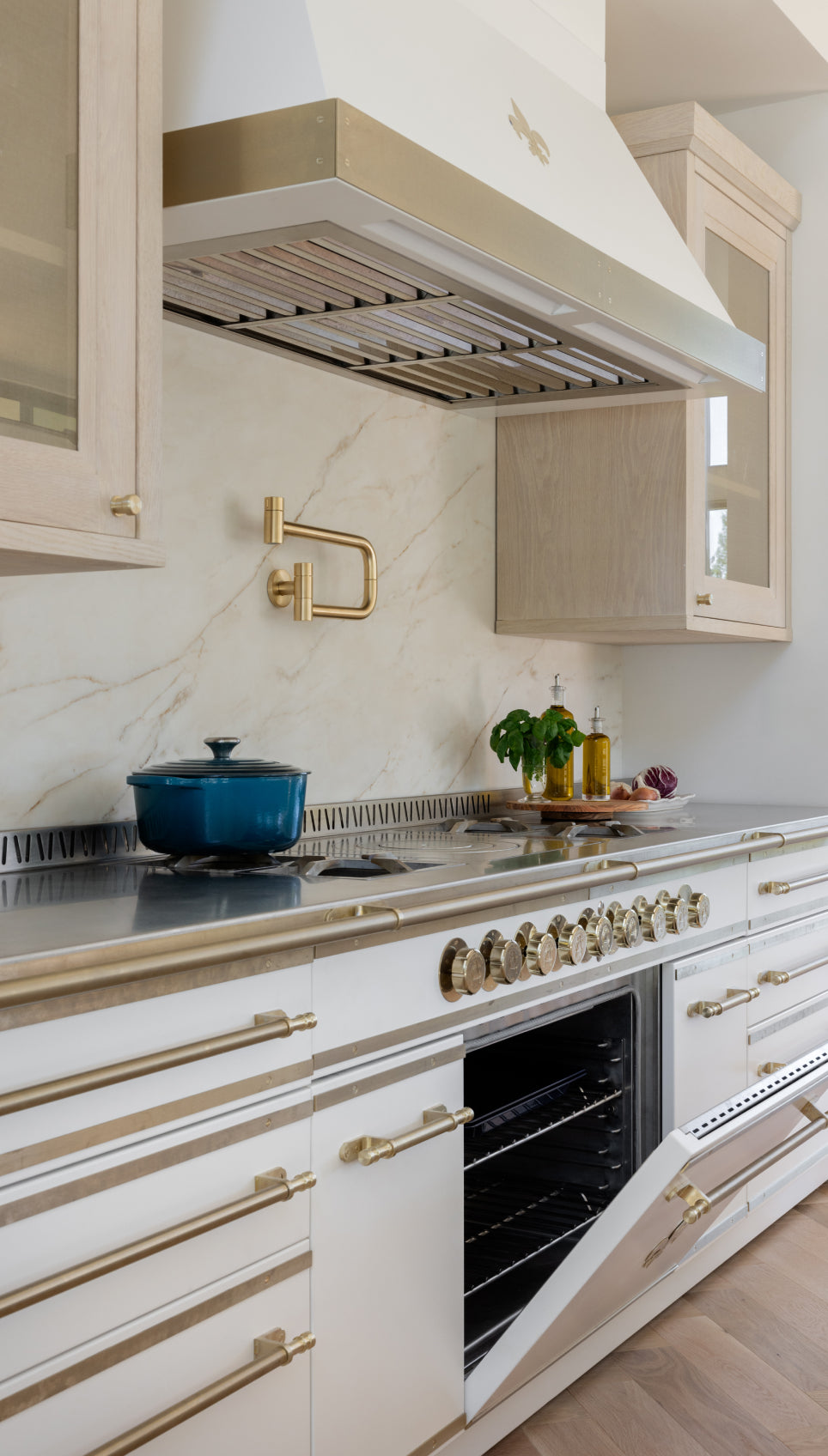
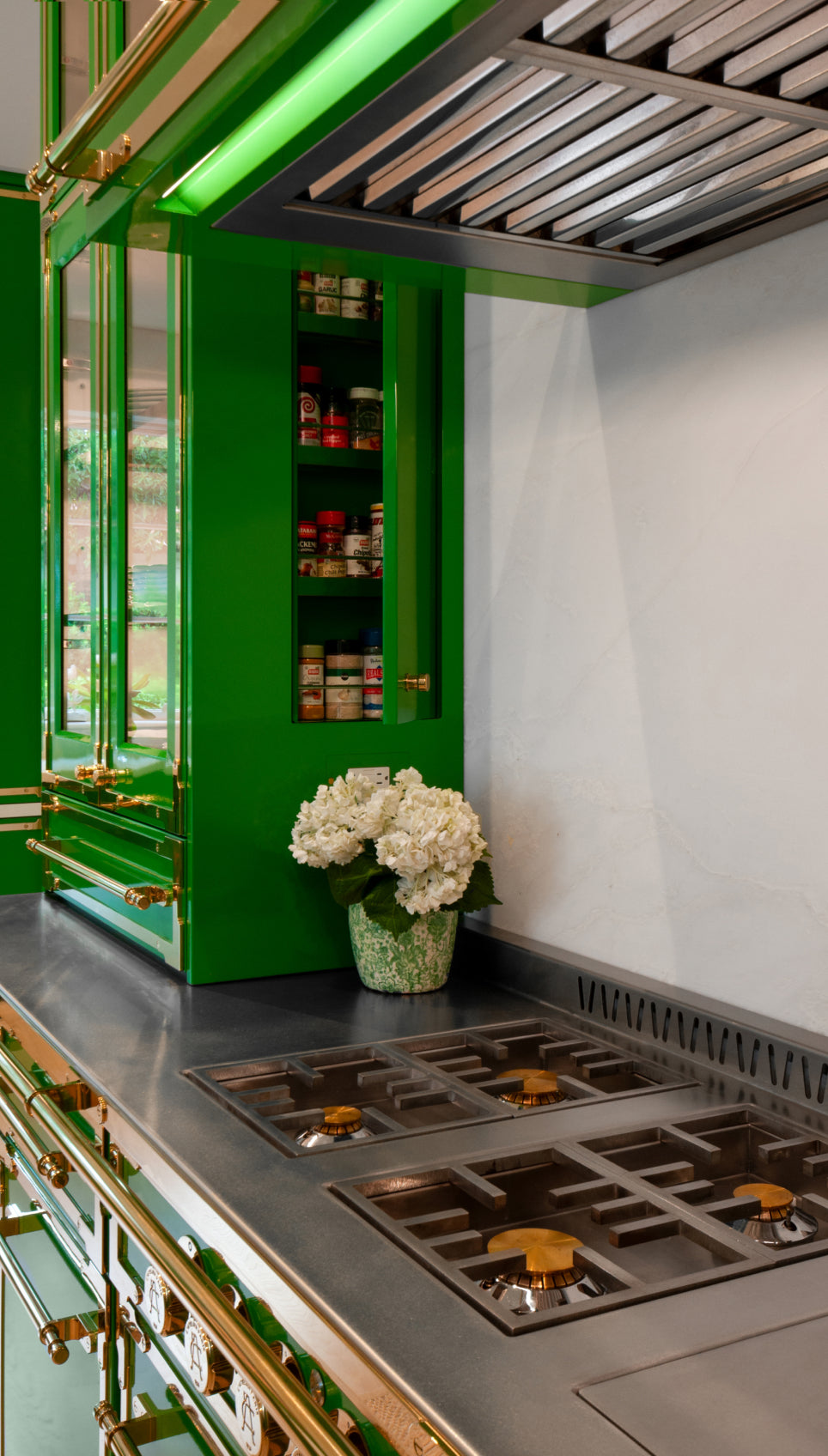
With custom kitchen ranges, you're not limited to what's on the shelf:
Comparatively, standard ranges offer limited customization usually just finish and burner count.
A French kitchen range is often the centerpiece of luxury kitchen design. Its bold presence and tailored finish create visual drama. Traditional ranges are built for utility, often prioritizing function over form, making them less likely to become a focal point in your kitchen.
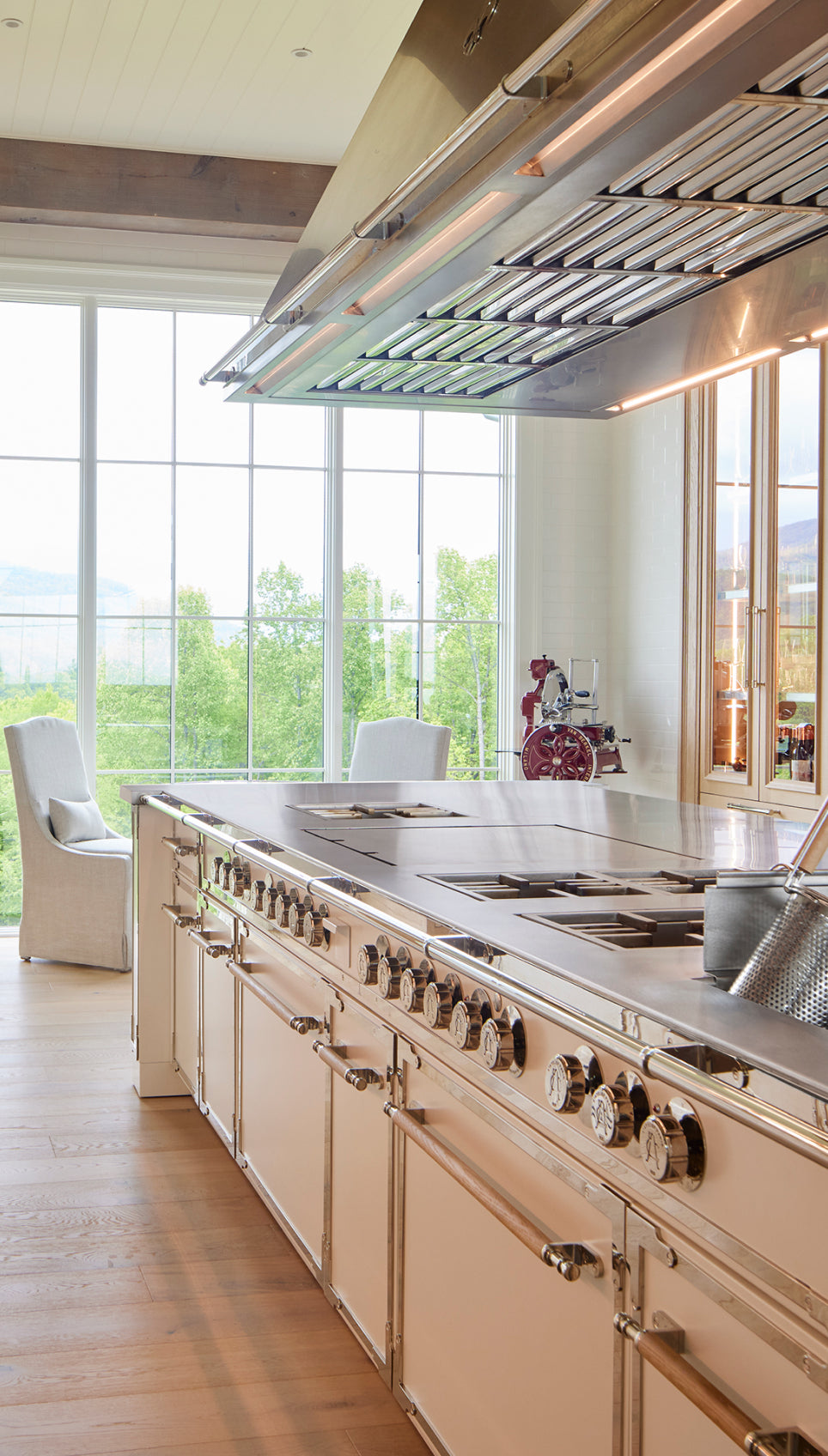
In upscale real estate markets like those in Los Angeles, Dallas, or Miami a French kitchen range is often featured in listings. High-end buyers expect top-tier appliances. Classic cooking tools become decision makers, whereas standard ranges offer little added appeal.
Crafted with premium materials, French ranges are designed to deliver consistent performance and can last well beyond a decade with proper care. While the initial cost is higher, repairs come less frequently, and the resale value stays high. Standard ranges, meanwhile, tend to show signs of wear sooner and depreciate faster.
| Feature | French Kitchen Range | Standard Range |
|---|---|---|
| Craftsmanship | Hand-assembled, premium materials | Mass-produced, budget grade |
| Heat & Performance | High BTU burners, precise control | Basic burners, lower output |
| Customization | Fully customizable features | Limited options |
| Visual Impact | Statement piece | Neutral and functional |
| Home Value Boost | Adds to luxury appeal | Minimal impact |
| Lifespan & ROI | Long-lasting with high resale value | Shorter lifespan, lower resale |
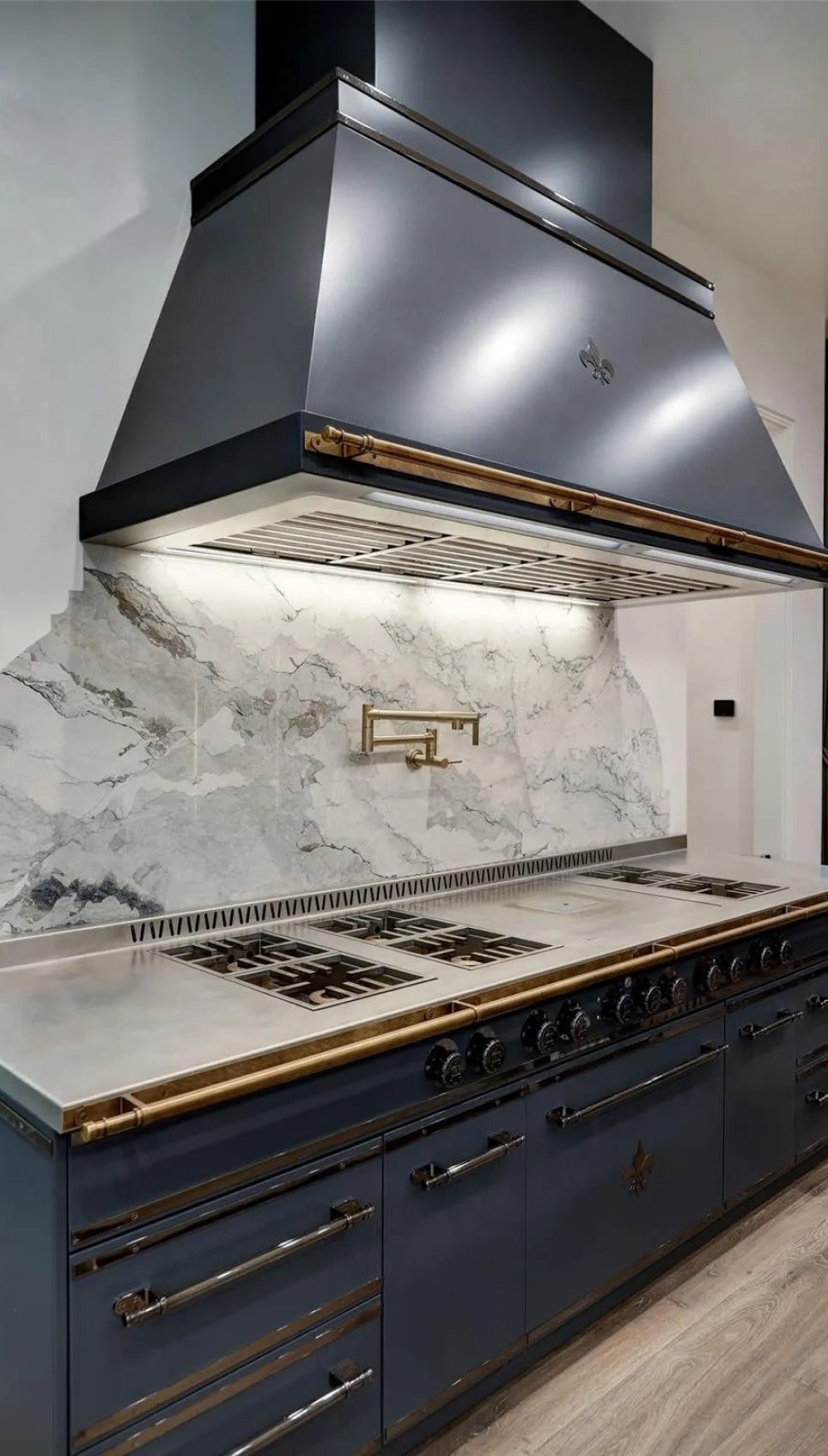
Consider a French stove if you:
Standard ranges may be perfect for casual cooking, kitchens on a tight budget, or simple rental properties where long-term investment isn’t justified.
French ranges use robust, serviceable parts and can be repaired easily, especially if parts are available through your supplier. We're proud to offer full-service support and access to certified technicians, ensuring your investment is protected.
Opting for a French kitchen range means bringing timeless craftsmanship into your home while upgrading both function and aesthetics. If a standard range checks your basic needs, it can suffice. But for those who want craftsmanship, customization, and statement style, there’s no contest.

A kitchen island built around a French range is sized after the range, not before it. Plan for at least 42 inches of clearance on every side (48 inches or more around a wide French range), size the island proportionally to the range's width, and ...

French kitchen design spans five broad style categories: classic (traditional Château-inspired), transitional (modern meets heritage), contemporary (sleek and architectural), Provencal (warm Mediterranean), and statement (bold colour and contrast...

A French range typically costs between $14,000 and $100,000+, depending on the brand, model, size, and configuration. Entry-level models from L'Atelier Paris start at around $14,000 for a 32-inch La Provençale. Full grand cuisine suites exceed $1...
